blog post
Post Modern Architecture to Make You Elite
Interestingly, we see some amazing lag between the architecture and furniture of the post-modern period. And honestly, once you start noticing it, you can't unsee it. It's one of those things that top interior designers in Gurgaon and design enthusiasts tend to geek out about, because it tells a larger story about how spaces and the objects inside them don't always evolve at the same pace.
Between the 1920s and 1930s, the minimalistic approach crept into interior design and eventually became a trend for those looking for a new look at their living space. In keeping with the modern concept of interior design, homeowners and interior designers in Gurgaon went for contemporary furniture, but there were not many to choose from. So modern interior decoration became almost synonymous with minimal use of furniture. Those who needed more, and could afford it, started designing customised furniture pieces for their interiors. That's really where the story of bespoke residential interiors begins, if you trace it back far enough.
Features of Post-Modern Architecture and Furniture
Post-modern architecture saw the use of more colours, more columns, and more personality. The construction drew ideas from different forms of traditional architecture, creating a collage that picked the best elements from multiple worlds and stitched them together into something new. Post-modern furniture, on the other hand, expressed itself almost as a rebel - a deliberate pushback against the restraint of modernism. That rebellious energy showed up just as clearly in architecture as it did in the objects filling those spaces.
No single piece of furniture captured every characteristic of the movement in one go. But collectively, post-modern furniture represented a shared sensibility, a reactionary thought against the coldness of modernity. Much of the inspiration came from traditional forms. Figurative concepts became dominant over abstract ones. Things started to look like something again, which sounds obvious until you consider how long design had spent trying to look like nothing at all.
Another striking feature of post-modern furniture design is that pieces were usually made of wood, sometimes painted, sometimes left in their natural state. There's a warmth to that material choice that resonates strongly even today. It's why luxury residential interiors in Gurgaon that take cues from this period tend to feel so grounded and liveable rather than cold or performative.
The Resemblance with Human and Animal Body Forms
Modern furniture sported an industrial look. Clean, hard, deliberately impersonal. Post-modern furniture went in the completely opposite direction. It embodied the human body, different postures, the forms of animals. Chair and table legs started to resemble those of a person or a creature. There was a trend of personification running through the entire movement that gave these objects a kind of character, almost a presence.
That distinct form is still very much in vogue. Luxury interior designers in Delhi and residential interior designers in Gurgaon continue to draw from this vocabulary when they want to add personality and narrative to a space. It works particularly well in high-specification homes where the architecture is resolved and the furniture needs to hold its own visually. A well-chosen post-modern piece in the right room doesn't compete with the space. It completes it.
How It Can Change Your Interior
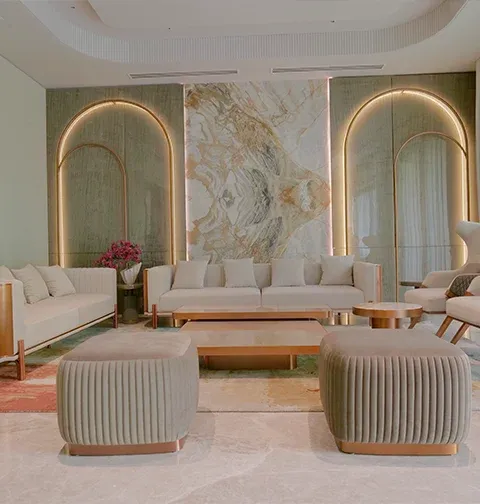
Post-modern furniture is a blend of classic forms and genuinely wild imagination, which is exactly what makes it so usable in contemporary interiors. One piece of this kind of furniture can dramatically shift the energy of an entire room. You don't need to fill the space with it. In fact, the worst thing you can do is over-invest in too many statement pieces at once.
The smarter approach, and one that the best interior designers in Gurgaon consistently recommend, is to invest in one or two well-considered post-modern pieces and let them anchor the room. Use them as a centrepiece in a living or dining space. Build the rest of the room around them, keeping the surrounding elements relatively restrained so the focal piece can breathe.
This is something interior design companies in Gurgaon working at the luxury end understand intuitively. Turnkey interior design projects that incorporate post-modern furniture elements tend to have a distinctly layered quality to them. There's history in the room without it feeling like a museum. There's wit without it tipping into novelty.
For homeowners exploring luxury residential interior design or those working with a top interior design firm in Gurgaon on a new build or renovation, the post-modern furniture conversation is always worth having. Whether it's a sculpted wooden console for an entrance, an organically formed occasional chair in a reading corner, or a dining table with legs that feel almost animate, these pieces bring something that most contemporary furniture simply doesn't: a point of view.
And that, in the end, is what separates a well-decorated home from one that genuinely feels elite. Not the budget, not the square footage. The point of view.