blog post
Smart Homes, Smarter Designs: How Tech Is Changing Interiors
In the modern world, technology has found its way into almost all areas. From waking up to a smart alarm clock and enjoying automated mood lighting at the end of the day, digital innovation is transforming the appearance, touch, and utilities of homes. Therefore, the dialogue between the architectural designers and the home interior experts in Delhi has gone beyond the traditional aspects of where to place the furniture or what color to paint the wall. Instead, the targeted outcome is to create intuitive, responsive, and future-proof environments.
This blog will focus on how technology is transforming interior design, highlight how smarter tools are changing real-life applications, and emphasize the role of professional firms such as Interia as the mechanism between functionality and beauty.
Explore How Tech is Transforming Interior and Architectural Design
1. The Growing Reach of Smart Homes
The use of smart homes, which were previously limited to high-end settings, has become more available. Think of the scope to which households already use devices like:
- Voice Assistants (Alexa, Google Home, Siri): It can be a voice-controlled interior that once felt like a novelty but is now becoming an ordinary experience: turn on the lights, turn down the temperature.
- Smart TVs & Entertainment Systems: Frameless, ultra-thin displays that disappear into the wall when not in use, doubling as a piece of art when turned off.
- Automated Curtains & Blinds: Just one swipe on a smartphone can open the curtains to welcome daylight or close them at sunset to enjoy a movie-like experience.
Such a trajectory shows that contemporary interior design has developed to a point where it is concerned with integrating ubiquitous lifestyle technologies into the core of a dwelling.
2. Smart Technology Meets Architectural Design
Technology plays a commanding role in the design of modern buildings in terms of architecture. Imagine homes that are designed:
- Hidden Wiring Systems: Opaque concealed ducts to hide the cables, resulting in clean, uncluttered surfaces.
- Integrated Sensor Lighting: Automatic lighting of corridors when people are approaching.
- Energy-Saving Layouts: Designs that maximize the exposure to natural light in conjunction with automated climate control as a means of increased efficiency.
The integration is incorporated at the planning level such that the technological features seem to be part of the architectural idea and not just add-ons.
3. More Intelligent Living Rooms
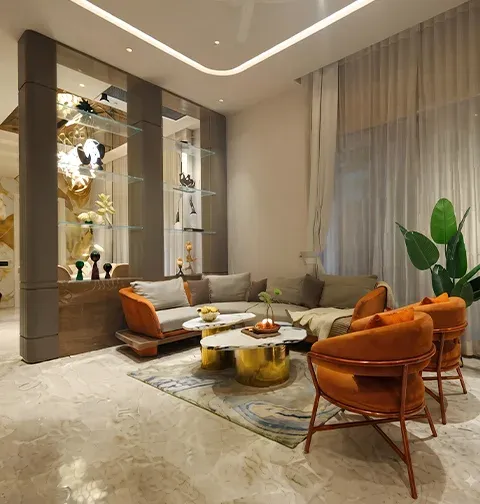
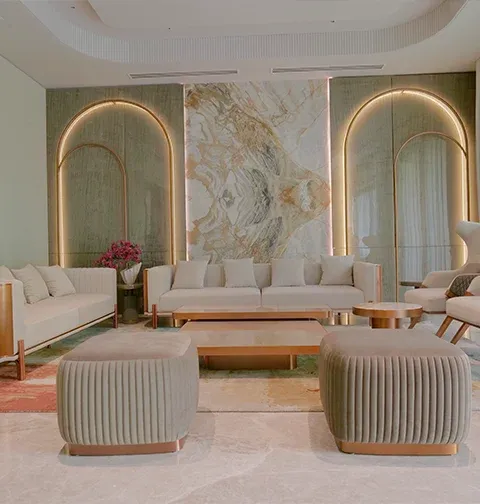
Technological integration into living areas provides them with unprecedented flexibility and interactivity, which is often used to call the living area the heart of the home.
- Smart Lighting: Controllable brightness and chromatic palettes, warm tones when you want to set the scene for a romantic evening, cool whites when you have guests.
- Built-In Technology: Coffee tables that have wireless charging or reclining chairs that have USB ports.
- Immersive Entertainment: Speakers built into the walls that provide a 360-degree sound experience, with no bulky hardware.
TV consoles in many homes across Delhi NCR have become multipurpose furniture that has incorporated storage space, shelving, and integration of smart technologies to improve functionality and aesthetic beauty. The combination of these aspects makes modern interior design not only a superficial cosmetic but also a functional mastery and development of society.
4. Future-Proof Kitchens
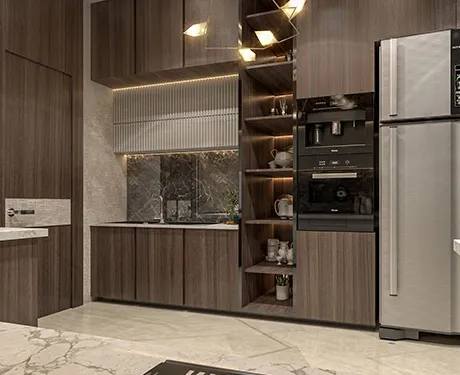
Kitchens nowadays are not merely places where people cook, but technological centers.
- Smart Appliances: Ovens you can control with your phone, refrigerators that remind you of what you need on your grocery list, and touch-free faucets.
- Automated Exhausts: Ventilation is turned on by sensors when smoke or heat is detected.
- Modular Designs that incorporate Technology: Sleek cabinets that have motion sensors built in to turn on/off the lights on the inside, or lockable cabinets that are digitally locked and unlocked.
No wonder, home interior designers in Delhi are paying extreme attention to designing kitchens in which functionality and design go hand in hand.
5. Comfortable Bedrooms Bedrooms Designed for Comfort
Your bedroom is your personal sanctuary, and technology makes it adjust to your needs.
- Smart Mattresses: Customize your firmness, or monitor your sleep.
- Climate Control: Automated air-conditioning that keeps the ideal temperatures all through the night.
- Mood Lighting and Soundscapes: Pre-selected scenes to relax, meditate, or wake up with ease.
Making mood settings via apps has become a popular interior design feature among young couples in Gurgaon and Delhi.
6. Bathrooms Turn Technical
Bathrooms are becoming spa areas, moving on from a functional place.
- Smart Mirrors: These mirrors are anti-fogging and have touch controls on the lights, as well as show you news headlines as you brush.
- Automated Showers: Set the water pressure and temperature you need.
- Heated Flooring: Heated floors are especially popular in upscale homes and offer maximum comfort in winter.
These renovations are an indication of how technology has pervaded even the minute yet most personal areas.
7. Tech and Sustainability: A Dream Match
Tech-driven interiors are not only comfortable but also encourage sustainability.
- Smart Thermostats and LED Lighting: Energy-saving devices save money.
- Water-Saving Fixtures: The motion-activated faucets and showers reduce wastage.
- Solar Integration: Solar roofs that are engineered to have panels, which interface with home grids.
This sustainable aspect of architectural design will make you live smart and green.
8. The Reason Why Professional Designers Are Needed
Gadgets are simple to purchase, but turning your house into a smart one is more complicated. This is why professionals will be needed.
- Invisible Design: Technology used will not appear to be out of place.
- Individual Solutions: Each family has its way of things; customizations should be based on this.
- Future-Proofing: Selecting systems that will not be outdated as technological advancements are made.
As an example, the home interior designers in Delhi, such as Interia, commonly design modular systems that can be upgraded without having to completely redesign the home.
9. Real Life Case: A Smart Apartment in Delhi
The young professional couple in South Delhi desired a modern house. Interia assisted them in designing:
- Lighting in the corridor was activated after motion.
- A lounge room with hidden speakers and an intelligent projector.
- A kitchen with touch-free faucets and app-controlled ovens.
- A bedroom with automatic blinds and pre-set night lighting.
The result? A home that feels intuitive and stylish, perfectly tailored to their lifestyle.
10. The Future of Tech in Interiors
Looking ahead, expect even more exciting changes:
- AI-driven Interiors: Spaces that learn your habits and adjust automatically.
- Augmented Reality in Design: Preview your interiors virtually before implementation.
- Health-Focused Homes: Air-purifying paint, circadian lighting, and smart wellness devices.
This is not just futuristic—it’s happening now, and professional designers are making it accessible.
Conclusion
Technology is no longer just an accessory in interior design—it’s the backbone of modern living. From living rooms that entertain to kitchens that simplify, smart designs elevate how we use our homes. The key is balance: technology should enhance comfort without overshadowing warmth.
At Interia, we specialize in blending architectural design with cutting-edge smart solutions. As leading home interior designers in Delhi, we help you craft homes that are stylish, intuitive, and future-ready.
Ready to transform your home into a smart haven? Contact Interia today, and let’s design a space where technology and comfort meet seamlessly.
FAQs
Q1. What are the most useful smart technologies for modern homes?
Smart lighting, automated curtains, climate control, smart appliances, security systems, and integrated entertainment are among the most useful technologies for modern homes. When planned properly, these features can improve everyday convenience, energy efficiency, comfort, and overall functionality without compromising the interior aesthetic.
Q2. Can smart interiors work in older apartments?
Yes, smart interiors can work in older apartments. Wireless devices, modular systems, smart lighting, automated blinds, and retrofit solutions can be integrated without major structural changes. Professional planning helps ensure these upgrades complement the existing layout while improving convenience, functionality, and overall comfort.
Q3. How does technology impact architectural design?
Technology influences architectural design by shaping decisions around concealed wiring, lighting, energy efficiency, climate control, spatial planning, and smart systems. By considering technology during the planning stage, designers can create spaces where digital features feel integrated rather than appearing as separate additions.
Q4. Why should I hire home interior designers in Delhi for a smart home?
Professional home interior designers in Delhi can integrate smart technology while maintaining the home's aesthetics, functionality, and spatial harmony. They can plan concealed systems, select suitable technologies, and create adaptable layouts that accommodate future upgrades without requiring extensive redesign or structural changes.