blog post
How Interior Designers in Gurugram Deliver Premium Turnkey Interior Solutions
Gurugram has quietly become one of the most demanding design markets in the country. Homeowners here expect a finished home, not a folder of drawings and a list of vendors to chase. That expectation is exactly why interior designers in Gurugram have shifted almost entirely toward turnkey delivery, where one team owns the project from the first measurement to the final light fitting. It sounds simple. In practice, it takes a level of coordination most people never see.
What Turnkey Actually Means Here
The word gets used loosely, so it helps to be precise. A genuine turnkey project covers design, material procurement, civil work, carpentry, electrical, plumbing, painting, styling, and handover. The client signs off on a concept and receives a completed space.
What this removes from a homeowner's life:
- No separate contracts with six different vendors
- No arguments over who is responsible for a delay
- One budget, one timeline, one point of contact
- Site supervision handled by people who actually drew the plans
That last point matters more than most brochures admit. When the designer and the execution team sit in the same office, drawings do not get misread on site.
Why Gurugram Pushes Designers Harder
High rise living dominates the city, and that brings constraints that low rise homes in other regions never face. Society bylaws, restricted work timings, service lift bookings, structural limitations on wall removal, and strict rules on plumbing shafts. Compare this with the older properties that interior designers in Delhi typically handle, where floor plates are more generous and civil freedom is wider.
The result is a working style built around problem solving rather than pure aesthetics. Designers here plan around fixed columns, borrowed light, and ceiling heights that leave little room for error. Storage has to be invented, not just installed.
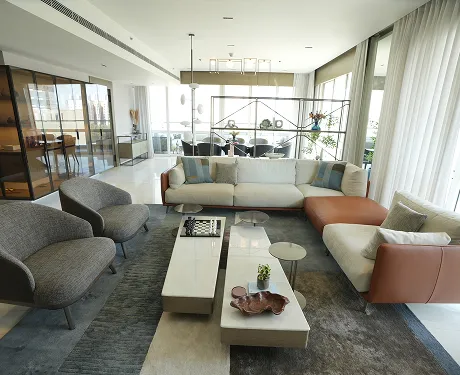
A practical example. A 1,600 square foot apartment in Sector 65 might have four usable walls in the living area and one of them is glass. Every metre of that space has to earn its place.
The Process Behind a Premium Finish
Most reputable firms follow a similar sequence, though the discipline varies enormously.
Discovery and site study. Measurements, structural review, natural light mapping, and a long conversation about how the family actually lives. Not how they want to appear to live.
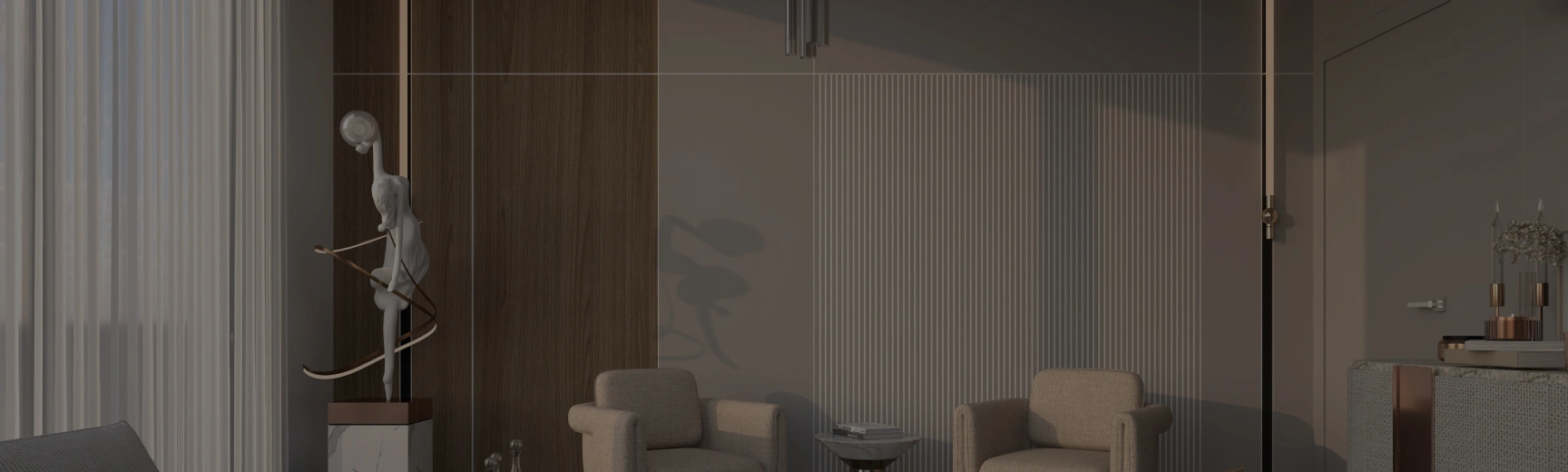
Concept and 3D visualisation. Renders that match reality. Anyone can produce a beautiful render. The skill lies in producing one the client will recognise when they walk in ten weeks later.
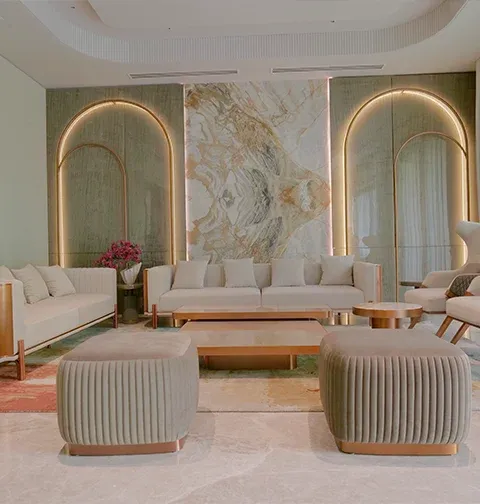
Material selection. Veneers, laminates, stone, hardware, and fabrics chosen in person. This is where luxury interior designers separate themselves, because premium is decided at the material level long before it becomes visible.
Execution and quality control. Weekly site reviews, snag lists, and factory finished modular units where possible.
Styling and handover. Furniture placement, art, lighting temperature, soft furnishings, and a walkthrough.
Firms like Interia have built their reputation on keeping these five stages under one roof rather than outsourcing the middle three, which is usually where projects lose their way.
Where Budgets Quietly Go Wrong
Cost overruns rarely come from the big items. They come from the invisible ones.
- False ceiling profiles changed mid project
- Electrical points added after wiring is closed
- Imported hardware ordered without lead time checks
- Stone selected from a photograph rather than a slab
Experienced teams price these risks upfront. That is often the difference between a firm considered the best interior designer in Delhi NCR and one that simply quotes low and revises later.
The Craft Element
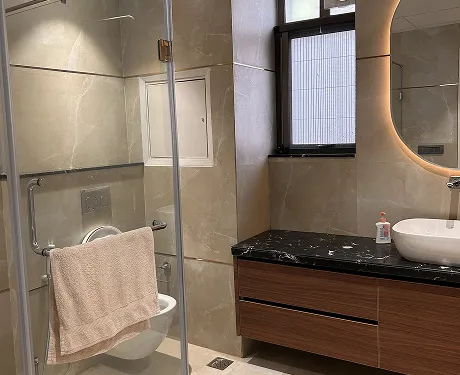
Premium work depends on people who have done it repeatedly. Carpenters who understand grain matching. Polishers who know how a matte PU behaves in Gurugram humidity during July. Electricians who plan a lighting layer instead of dropping a downlight grid across the ceiling.
Three details that separate good from ordinary:
- Shadow gaps instead of visible beading
- Layered lighting with dimming control on every circuit
- Hardware that is silent after two years, not two weeks
None of this appears in a render. All of it appears in the finished home.
A Thought Worth Keeping
"Design is not just what it looks like and feels like. Design is how it works." Steve Jobs, quoted in The New York Times, 2003
Jobs was talking about products, but the principle transfers directly. A turnkey interior only succeeds if the storage, circulation, and lighting function daily. Beauty that fails at use is decoration, not design.
Choosing the Right Partner
Ask for completed project addresses, not just images. Ask who supervises the site. Ask what happens if a delay occurs and who absorbs the cost.
Reliable indicators of an experienced firm:
- Written scope with material specifications listed by brand
- A named project manager from day one
- Post handover service period in writing
- Willingness to show an ongoing site, not only finished ones
Many established interior designers in Delhi and Gurugram now publish full project timelines publicly, which is a useful sign of confidence.