blog post
How Premium Materials Transform Ordinary Homes Into Luxury Spaces
You have felt it before. You walk into a room and something shifts. Light sits differently on the walls. Surfaces feel chosen, not collected. That feeling rarely comes from a bigger budget. It comes from material intelligence, which is why turnkey interior design solutions have become the preferred route for homeowners who want that change without chasing twelve vendors themselves. Premium materials do not decorate a home. They change how it behaves, ages, and feels every day.
Expensive Is Not the Same as Premium
Expensive means the bill was high. Premium means the material performs and lasts.
- Italian marble survives decades of daily use without losing its character
- Engineered veneer gives walnut warmth without warping in Delhi humidity
- Solid brass develops patina instead of peeling
- Full grain leather softens rather than cracks
Each one improves with time. That single quality separates real luxury residential interiors from surfaces built to photograph well and fail quietly by year three.
Why Material Choice Decides Everything Else
Most people treat materials as the last layer. They are the first one, and every other decision follows.
Pick honed limestone and your lighting plan changes, because honed stone absorbs light rather than bouncing it. Pick fluted oak panelling and furniture scale shifts, because vertical texture makes a room read taller. Pick upholstered walls in a bedroom and acoustics genuinely change.
This is where the best interior design companies separate themselves. Material decisions carry consequences across lighting, layout, acoustics, and resale value. Getting them right means knowing how a surface behaves in Indian conditions, not how it looked in a European catalogue.
The Five Materials Doing the Heavy Lifting
Natural stone, used sparingly. One bookmatched island beats stone applied everywhere.
Real wood veneer, run vertically. It brings warmth into homes built from concrete and glass.
Considered metals, in brushed brass or blackened steel. Hardware gets touched hundreds of times daily. Cheap metal gives itself away instantly.
Textile depth, through linen drapery and wool rugs. Hard finishes alone make rooms look costly and feel cold.
Layered lighting, treated as a material. Warm light reveals stone veining. Cold light flattens it.
The Local Reality Nobody Warns You About
Delhi NCR is brutal on materials. Summers cross forty five degrees. Monsoon humidity swings hard. Winter pollution settles into every fabric in the house.
Import a fashionable material without checking regional performance and you meet the problem during the second monsoon. Solid wood swells. Untreated stone stains. Edge laminates lift.
Experienced home interior designers in Delhi NCR plan around this from the first drawing. Moisture resistant carcass material in kitchens. Sealed stone in bathrooms. Fabrics that clean without losing texture. This regional knowledge decides whether a home still looks good in year five.
"God is in the details." — Ludwig Mies van der Rohe, modernist architect, widely attributed through his lectures
Mies believed refinement lives in joinery and transitions rather than ornament. Premium homes are defined by how surfaces meet, not by how much was spent.
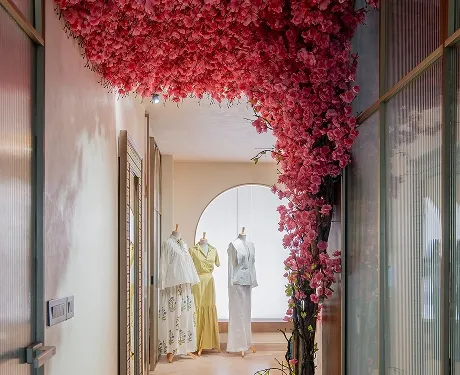

Where Execution Quietly Decides Everything
A superb material installed badly is just an expensive mistake.
- Marble joints off by three millimetres break the flow of a whole wall
- Mismatched veneer grain makes a wardrobe look assembled, not crafted
- Hardware fixed off centre pulls your eye every time
- Uneven silicone lines undo a perfect stone counter
Craftsmanship is the only mechanism through which material quality reaches the eye. That is why homeowners now prefer turnkey interior design solutions over fragmented contracting, where accountability vanishes between the carpenter, the supplier, and the supervisor.
The Interia Approach
Interia works from a simple conviction. Material selection should follow how a family actually lives, not what is trending this month.
That means asking practical questions early. Do children run down this corridor daily? Does this kitchen handle heavy Indian cooking? Does this living room host twenty people monthly?
The answers change everything. Families with young children get performance fabrics that look like linen and resist stains. Serious cooks get stone that tolerates turmeric. Interia builds this into every specification, then manages execution end to end so the original intent survives the journey from drawing to delivery.
The Investment Logic Most People Miss
Premium material costs more upfront and considerably less across ten years.
Budget laminate needs replacing around year five. Quality veneer looks better by year ten. Cheap hardware gets replaced twice. Solid brass gets polished once and forgotten. The best interior design companies make this case honestly instead of pushing expensive material for its own sake. Spend where hands touch and eyes rest. Simplify where nobody notices.
Closing Thoughts
Transformation is not about filling a home with costly things. It is about choosing fewer materials with real intelligence and executing them with precision. When stone, wood, metal, textile, and light are selected for your climate and your life, an ordinary home stops feeling ordinary.
That is what turnkey interior design solutions exist to deliver, and why owners look for home interior designers in Delhi NCR with genuine material expertise. For luxury residential interiors rooted in craft rather than catalogue, Interia offers exactly that. See the work at interia.
frequently asked questions
Turnkey delivery puts one team in charge of design, procurement, and execution. This removes coordination gaps between vendors, protects material quality during installation, and gives homeowners a single accountable contact from start to handover.
Request physical samples, check certification papers, and ask directly about humid climate performance. Real premium finishes carry verifiable sourcing, clear maintenance guidance, and warranties covering structural durability rather than surface appearance alone.
Review completed homes at least three years old instead of fresh photographs. Ask about in house execution teams, sourcing partnerships, timeline records, and whether detailed written specifications arrive before any onsite work begins.
Extreme summer heat, monsoon humidity, and airborne pollution accelerate material failure here. Designers specify moisture resistant substrates, sealed stone, and easy clean fabrics because imported standard specifications frequently underperform badly in these demanding local conditions.
Interia starts with lifestyle assessment rather than mood boards, mapping daily usage before specifying finishes. Choices are matched to actual family habits, regional climate demands, and long term maintenance realities instead of short lived trends.