blog post
What Luxury Interior Design Mistakes Can Make Expensive Homes Look Ordinary?
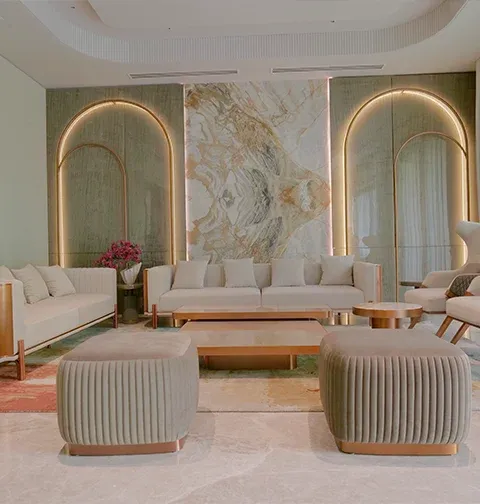
Spending a fortune on a home does not automatically guarantee that it will look expensive. Walk into a property with imported marble, custom joinery, and designer lighting, and you can still feel that something is off. The truth is that luxury interior design is not decided by the price tag attached to each object. It is decided by proportion, restraint, and how well every element speaks to the next. A home can hold the most expensive pieces in the city and still read as flat, showroom-like, or oddly hollow. That gap between cost and character is where most homeowners quietly lose the plot.
Below are the mistakes that repeatedly pull high-value homes down to ordinary, and what experienced designers do differently.
1. Buying Everything at Once from One Place
The fastest way to make a home look manufactured is to furnish it in a single shopping trip.
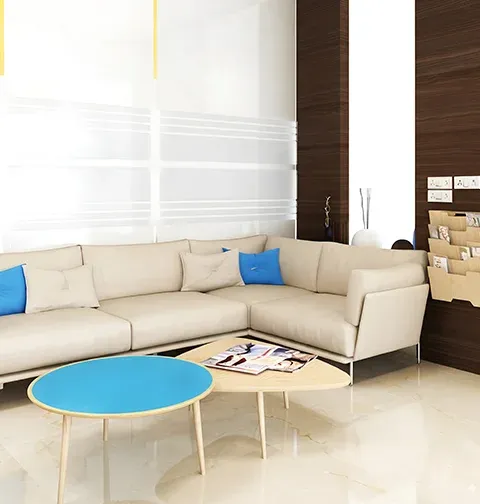
- Matching sofa, matching side tables, matching rug from the same collection kills depth
- Rooms start looking like catalogue pages instead of lived-in spaces
- There is no sense of time, travel, or personality in the room
- Layered homes always look richer than coordinated ones
A well-designed space collects. It mixes an old timber console with a contemporary linen sofa, a handwoven rug with a sculptural brass lamp. Contrast is what signals confidence.
2. Lighting Treated as an Afterthought
This is the single biggest offender in expensive homes.
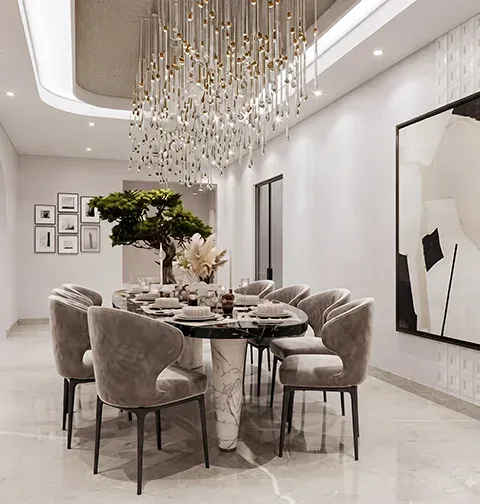
Most homeowners invest heavily in furniture and finishes, then rely on one bright ceiling light per room. Flat overhead lighting flattens texture, washes out colour, and makes even solid wood look laminate. Good luxury home interior design works with at least three layers: ambient, task, and accent. Warm colour temperature around 2700K to 3000K, dimmers on every circuit, and light placed at varying heights. Cove lighting, wall grazers, table lamps, and floor uplights do more for perceived value than an extra lakh spent on upholstery.
3. Ignoring Scale and Proportion
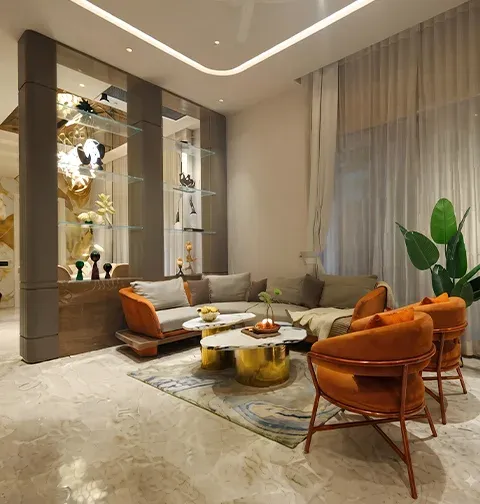
Undersized furniture in a large room is the tell that separates amateur work from premium interior design. A three-seater floating in a double-height living room, a rug too small to sit under the front legs of the sofa, art hung too high, or curtains ending inches above the floor. These are small errors, but the eye registers them instantly.
- Rugs should anchor, not float
- Curtains belong close to the ceiling and skimming the floor
- Artwork centres at roughly eye level, not near the ceiling line
- Negative space is a design decision, not wasted area
4. Overusing Gloss and Gold
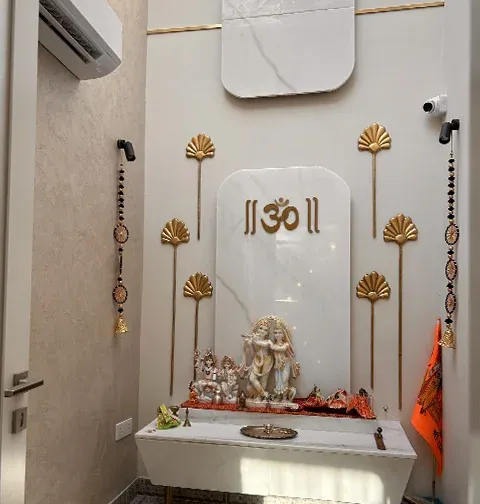
Shine reads as luxury only in small doses. Full gloss cabinetry, mirrored walls, gold-finished hardware across every surface, and high-sheen marble in every room together create a heavy, dated look. Contemporary luxury leans matte, honed, brushed, and tactile. Texture is the new gloss.
5. Forgetting the Ceiling and the Fifth Wall
Plain white ceilings above elaborate interiors create visual imbalance. Coffered detail, timber battens, subtle plaster texture, or a recessed cove changes how expensive a room feels without touching floor area. Similarly, doors, skirting, architraves, and switch plates are ignored constantly, yet these are the details people touch and see daily.
6. No Editing
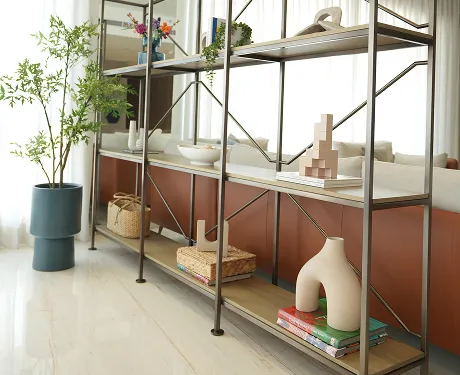
Wealthy homes often suffer from abundance. Every corner filled, every wall decorated, every surface accessorised. Restraint is expensive. Knowing what to leave out is a skill that separates decorators from designers.
7. Poor Material Transitions
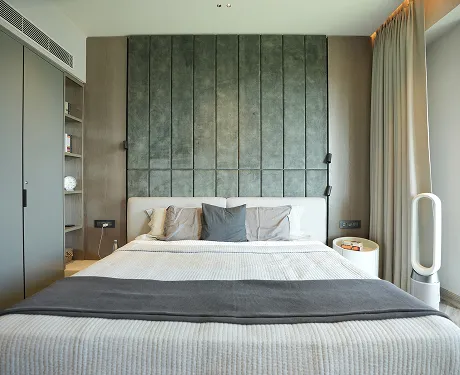
Where one flooring meets another, where stone meets wood, where wall meets ceiling. Sloppy junctions destroy the perception of craftsmanship instantly. This is why detailing drawings matter more than mood boards.
What Experienced Designers Do Differently
Firms that work on high-value residential projects follow a discipline most homeowners skip. At Interia, the process begins with spatial planning and lighting layouts long before any finish is selected. Material palettes are built around natural light behaviour in the specific site, not around trends. The team also plans for how a family actually lives, storage volumes, circulation width, and maintenance realities of every surface specified.
That practical grounding is what keeps a home looking expensive five years later, not just on handover day. Interia works across residential and commercial spaces, and the consistency comes from treating detailing as the deliverable, not decoration.
A Thought Worth Keeping
"Luxury must be comfortable, otherwise it is not luxury." — Coco Chanel
Source: Widely attributed to Coco Chanel, founder of the House of Chanel, and frequently cited in design and fashion literature.
Why it matters here: Chanel's point applies directly to interiors. A home filled with expensive but uncomfortable, impractical, or visually exhausting choices stops being luxurious. Real luxury is ease, and ease comes from thoughtful planning rather than expenditure.
Closing Thoughts
An expensive home does not become an impressive one by accident. The difference lies in decisions that cost nothing extra: correct scale, honest materials, restrained palettes, and lighting planned with intent. Genuine luxury interior design is quiet. It does not announce its budget. It simply feels right the moment you walk in, and it continues to feel that way years later.
If your home has the investment but not the impact, the fix is rarely more spending. It is better planning. Explore the work and approach at theinteria.com to see how detailed detailing changes the way a space is experienced.
frequently asked questions
Usually because of flat lighting, mismatched proportions, and buying everything from a single collection. Thoughtful luxury interior design corrects this by layering light, varying textures, and editing rather than adding more expensive objects to every corner.
Enormously. Lighting influences colour accuracy, texture visibility, and mood more than any furniture piece. In luxury home interior design, layered lighting with dimmers and warm temperatures can make moderately priced materials look considerably richer than they actually are.
Not at all. Maximalist interiors can look extremely luxurious when proportion, colour discipline, and quality craftsmanship are respected. Premium interior design is about intentional decisions and coherent detailing, not about how many objects occupy the room.
Ideally before civil work begins. Early involvement lets designers fix layouts, lighting circuits, and plumbing points. Teams like Interia deliver far stronger outcomes when engaged at the planning stage rather than after construction is finished.
Frequently, yes. Trend-heavy finishes such as high gloss, heavy gold, or fashionable colour palettes age quickly. Timeless material choices, strong spatial planning, and quality workmanship keep interiors relevant far longer than seasonal styling ever will.