blog post
The Rise of "Micro-Living" and Creative Space Solutions
Micro-living has gained significant popularity in recent years because society now embraces minimalist living and efficiency standards. Rapid urban development, together with escalating housing prices, drives people toward discovering creative home solutions that pack maximum functionality into compact areas. This blog investigates how micro-living affects interior design and demonstrates how Interia, one of the top residential interior design services provider, use these principles to build motivational work environments.
Understanding Micro-Living
The emerging micro-living movement brings people to select living quarters between 200 to 400 square feet in size. The concept questions traditional homing traditions through its focus on essential design elements alongside multipurpose furniture items. Design principles create living spaces that perform as sustainable and efficient units along with their basic functionality.
Key Features of Micro-Living Spaces
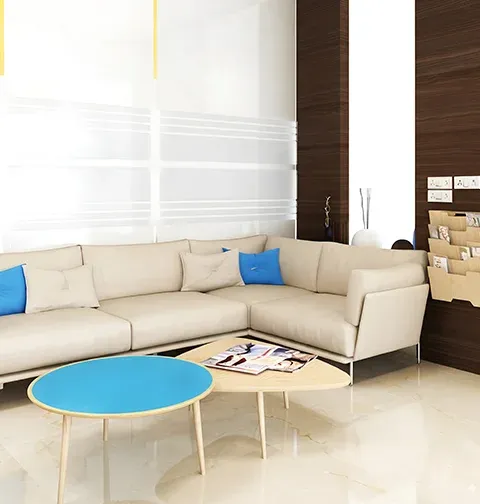
- Multi-functional Furniture: The essential feature of micro-living designs includes multifunctional furniture, which combines multiple functions into one piece, such as sofa beds and storage coffee tables, for optimized space utilization.
- Smart Storage Systems: Residential smart storage systems that make use of high spaces and concealed compartments enable residents to maintain clean, organized living spaces throughout their dwellings.
- Open Layouts: Walls that disappear through design result in spacious dwellings that enhance freedom while making confined spaces appear larger.
- Sustainability: Numerous micro-living plans use sustainable approaches for material selection and install energy-saving devices to fulfill increasing sustainability requirements.
The Shift in Urban Living
The rising number of urban individuals makes traditional housing financially out of reach. Micro-housing stands out as an effective housing option because it delivers budget-friendly accommodations throughout central districts. The housing shortage problem is being addressed while communities locate their residences in units that provide communal spaces for living together.
The growing popularity of micro-living establishes deep consequences for commercial interior design practice. Businesses must develop minimalist workplace settings that fulfill employee and customer requirements.
Trends Influencing Residential Interior Design
- Flexible Workspaces: Just as micro-living emphasizes multifunctionality, modern homes are moving towards flexible layouts that can adapt to various activities—be it collaboration, focused work, or relaxation.
- Biophilic Design: Incorporating natural elements into residential interiors enhances well-being and productivity. This includes using natural materials and plants and maximizing natural light.
- Technology Integration: Smart technology is becoming integral in home design, allowing for customizable environments that enhance comfort and efficiency. Features like adjustable lighting, smart thermostats, and integrated audio-visual systems cater to diverse lifestyles.
Creative Space Solutions by Expert Residential Interior Designer
Interia operates as one of the top providers of residential interior design services that develops innovative space solutions to integrate micro-living concepts in office settings.
Innovative Design Strategies
- Open Floor Plans: By removing unnecessary barriers, open layouts foster communication and collaboration among family members while creating a more dynamic atmosphere. These designs can also complement designated quiet zones for focused work or relaxation.
- Modular Furniture: Investing in modular furniture allows homeowners to easily reconfigure their spaces based on current needs—ideal for dynamic living environments where flexibility is key. Modular sofas or extendable dining tables enable families to adapt their homes according to gatherings or daily routines.
Community Areas: Designing communal spaces within homes encourages social interaction among family members or roommates. These areas can include cozy reading nooks or multi-purpose rooms that serve as both entertainment zones and workspaces.
A Focus on Sustainability
As homeowners work to lessen their environmental footprint, sustainability will continue to be a key component of residential interior design trends. This entails using environmentally friendly materials like recycled metal or reclaimed wood, maximizing energy efficiency with smart HVAC systems and LED lighting, and designing areas that promote sustainable living among inhabitants, such as gardens or composting facilities.
The Prospects for Residential Micro-Living
In the future, the concepts of micro-living will probably have an even greater impact on interior design for homes. Designers will need to develop spaces that encourage both individual productivity and teamwork within the home as families adjust to new dynamics, such as remote employment and flexible scheduling.
Conclusion
The rise of micro-living is reshaping our understanding of space—both at home and in communal living situations. By embracing these principles, companies like Interia are not only enhancing their designs but also contributing to a more sustainable future.
As we move forward into 2025 and beyond, the integration of micro-living concepts into residential interior design will continue to evolve, offering innovative solutions that meet the demands of modern life. In this new era where every square foot counts, effective interior design transcends aesthetics; it’s about creating functional spaces that enhance our daily lives while promoting sustainability and community engagement.
By prioritizing flexibility, sustainability, and community-oriented designs in their home interior design services, designers can look forward to a future where our living spaces reflect our values—making them not just places we inhabit but environments that inspire us every day.
Contact Interia today to get your small living area designed into a beautiful space.