blog post
Understanding Scale and Proportion in Interior Design
To create harmonious and functional spaces in interior design, it is essential to understand scale and proportion.
To create harmonious and functional spaces in interior design, it is essential to understand scale and proportion. These principles can be seamlessly implemented for both a cozy home and a dynamic commercial setting. These principles help ensure that every element within a space works together to create a cohesive look. In this blog, an expert interior design studio in Gurgaon, Interia, explores the significance of scale and proportion in interior design for residential and commercial interiors.
Scale and Proportion – The Basics
Scale is the size of an object compared to other objects in the space, and proportion is the size of different elements in the space. The key to a good interior design for a home is establishing that balance right between these two elements.
- Scale: The relationship between an item and the overall size of the room.
- Proportion: The size and shape of how different items fit together.
In understanding these, we can avoid the most common mistakes in design, such as putting too much furniture in a small room or leaving a large empty room because the decor is too small.
Why Scale and Proportion are Important in Home Interior Design
Scale and proportion play an integral part in design in home interior design, striking the right balance between the two gives the aesthetics and functionality. Here are some key considerations:
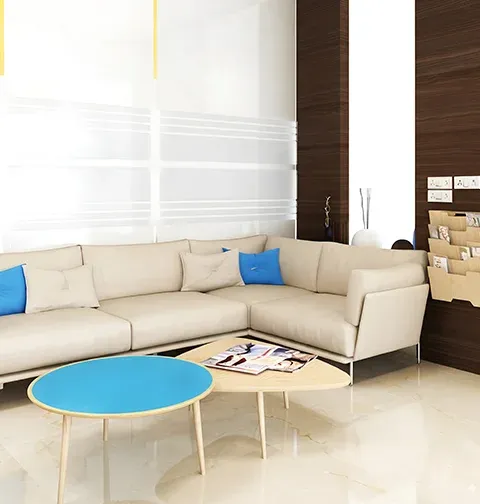
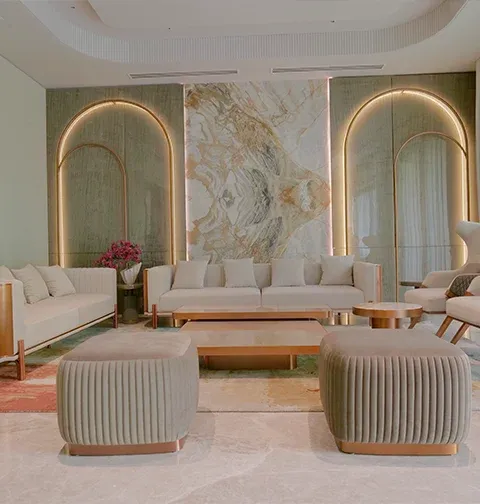
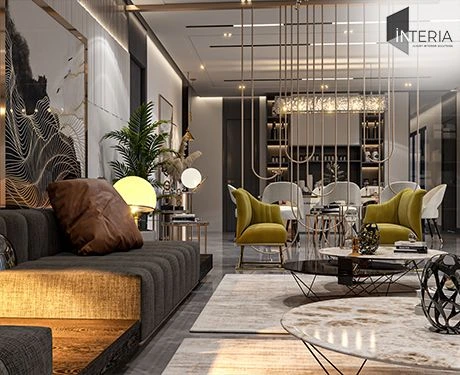
- Furniture Selection: Select the furniture that fits comfortably in the space. In fact, a big sectional sofa could overwhelm a small living room, or tiny accent chairs would get swallowed up in an ample space.
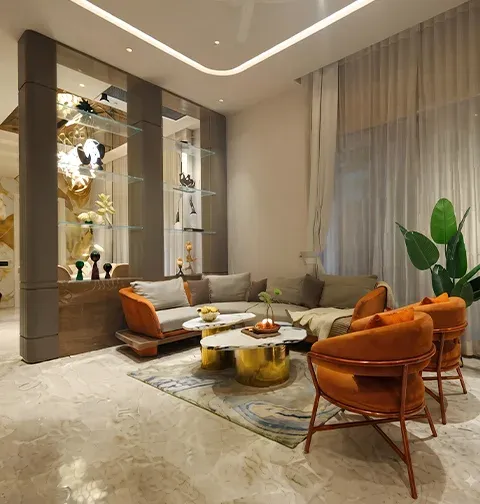
- Rug Sizing: A rug’s sizing should fit under the front legs of all significant furniture pieces. The result is a consistent look and defines the seating area.
- Artwork Placement: Ideally, hanging artwork should be half to two thirds the width of the furniture it is placed above, creating visual harmony.
Commercial Interior Design Considerations
Scale and proportion are equally crucial in commercial interior design. Here are some specific aspects to consider:
- Client Experience: It also has to be designed for foot traffic and, at the same time, offer comfortable seating arrangements. Large pieces of furniture can block movement, while small furniture may not provide sufficient comfort.
- Brand Representation: The brand identity was mirrored by the scale of decor elements. Say, a luxury brand might go for very big, very opulent furnishings, while a minimalist brand will go for very small, sleek designs.
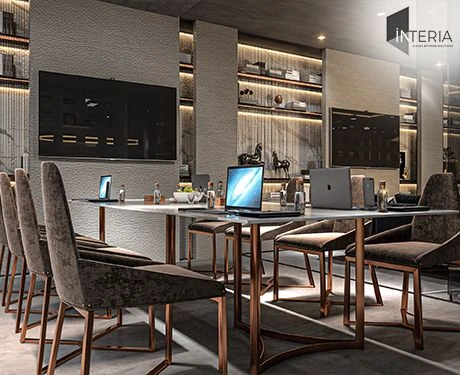
- Functional Spaces: Furniture in areas such as conference rooms should encourage collaboration without being cramped. The proportions are such that all users will feel comfortable and engaged.
Achieving Ideal Scale and Proportion Tips
To effectively implement scale and proportion in any interior design project, consider these practical tips:
- Measure Before You Buy: Before selecting furniture or decor items for your space, always take measurements. It helps to avoid mismatches that would otherwise disrupt the flow of the room.
- Use Visual Guides: When arranging decor items, you can follow design guidelines such as the rule of thirds. Odd numbers grouping (three or five) of objects often looks better visually.
- Consider Ceiling Height: Taller furniture is suitable for filling vertical space in a space with high ceilings without making the space look overwhelming. On the contrary, lower-profile pieces are fine in rooms with lower ceilings.
The Role of Color and Texture
In addition to color and texture, how a room appears large or small in scale and proportion is determined by these. For instance:
- Color Proportion: An easy rule of thumb is the 60-30-10 rule, where 60% of the room is one color (usually the walls), 30% another (furniture), and 10% an accent color (decor). The balance gives the space visual interest but doesn’t overwhelm it.
- Texture Variation: Textures should be mixed thoughtfully to ensure proportion and depth is added to a room. For instance, combining soft fabrics with sleek surfaces can produce a balanced look.
Conclusion
The ability to scale is very important in creating a welcoming and functional space in both commercial and home interior space design. Knowledge of how these principles work with furniture selection, color schemes, and layout helps designers create environments that are as aesthetically pleasing as they are practical.
If you’re looking for a professional hand in your interior makeover, Interia, an interior designing company in Gurgaon, provides a wide range of interior design services in Delhi, including residential houses and commercial spaces. Whether you want to transform your home or design an engaging workplace, experienced designers are standing by to make your dreams come true.
Ready to elevate your space? Get in touch with Interia by pinging ‘07042112226’ or hello@theinteria.com to find personalized interior design solutions that match your style! With professional guidance, it’s possible to transform your environment into something extraordinary.