blog post
Monochromatic Magic: Achieving Cohesion with Tone-on-Tone Decor
Discover the art of monochromatic decor! Learn how to use shades, textures, and patterns to create cohesive, stylish, and serene interiors while achieving them effortlessly.
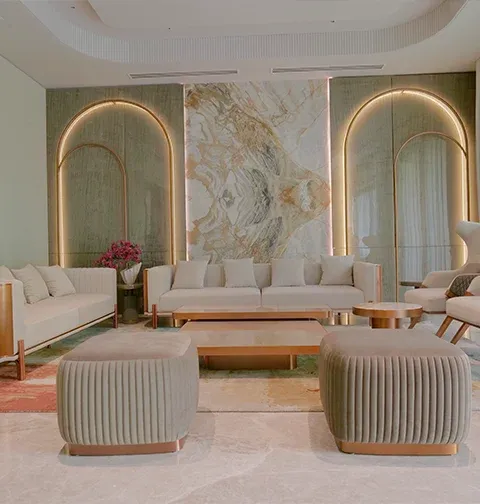
When we talk about 'monochromatic' in the world of interior design, most of us imagine exquisite and simple spaces with a sleek and sophisticated look. Monochromatic decor involves the use of a single color and its shades, tints, and tones to combine and create a perfect blend. Not only does this approach improve the look of a space, it also creates a feeling of unity and serenity. In this blog, one of the top home interior designers in Delhi, namely, Interia, will explore the curious art of monochromatic design and give tips on how to get tone-on-tone decorating right in your homes.
What Does Monochromatic Mean?
According to home interior design services, monochromatic design is when one color is used in different shades and tones in a space. For example, if you pick white as your base color, you can have everything from deep navy to soft sky blue without overwhelming the senses and creating depth and interest. The benefit here is that it allows a nice flow from element to element in a room, making it feel as planned as it does.
The Benefits of Monochromatic Design
- Visual Cohesion: Using the same color palette creates a cohesive look, which ties the room together. This is especially helpful in open-concept spaces when you want different areas to feel connected.
- Simplicity: Home interior designers in Gurgaon often choose monochromatic looks for their simplicity. Sometimes it is way easier to execute than multi-colored schemes since they cut down on decision fatigue. Less colors to decide on allows you to focus on its texture and layout.
- Versatility: This style can work with any design theme, from minimalist modern to traditional cozy. Your style can be sleek lines or ornate details, and monochromatic decor can accommodate.
- Enhanced Space Perception: Removing visual distractions from a room can make it appear larger with a monochromatic palette. In smaller spaces where you want to create the illusion of openness, this is really convenient.
- Mood Enhancement: Different colors produce different emotions. With a bit of thought, you can also choose your base color carefully to create an atmosphere: warm colors for energy and vibrancy, cool colors for calmness and relaxation.
Monochromatic Magic: How to Achieve
1. Choose Your Base Color Wisely
The first step in making a monochromatic scheme successful is finding a base color that you want to work with. For example, warm colors such as reds and oranges create an energetic, warm feeling, while cool colors like blues and greens are calming and relaxing. Choosing the right color is important and should be done in collaboration with the best home interior designers in Delhi NCR. This way, your personal style syncs with the elements in your home.
For example:
- Warm Tones: Red and orange shades can make living areas feel more welcoming.
- Cool Tones: Bedrooms or bathrooms where relaxation counts are perfect for blues and greens.
- Neutrals: Versatility of grays, whites, and beiges, plus a background for bolder accents.
2. Experiment with Different Shades of Tones
When you’ve chosen your base color, dig into its various tones and shades. Say, for instance, green, and then think of deep forest green, soft mint, and rich olive. It gives this variety of depth and doesn’t let the space feel flat or monotonous. Expert home interior designers in Delhi usually suggest you use at least three different shades to give visual interest without losing cohesion. You can achieve this by:
- Painting Walls: Use lighter colors on walls to give you the feeling of space and darker colors for furniture or accent pieces.
- Layering Fabrics: Use different shades of your chosen color in textiles, such as curtains, cushions, or throws.
3. Incorporate Textures
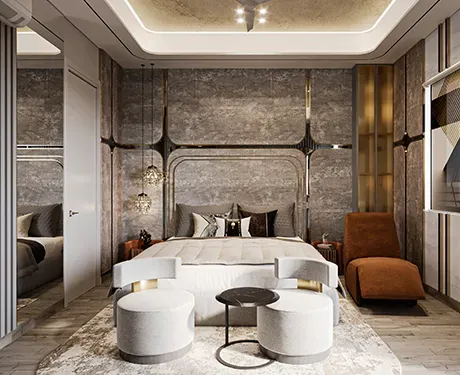
The texture is essential to monochromatic decor. Expert home interior designers in Delhi often incorporate layers to add dimension to your space by mixing smooth fabrics with shiny wood finishes. For instance:
- Putting a velvet sofa with silk cushions creates a pleasant atmosphere.
- A soft rug combined with a wooden coffee table can create a great contrast.
- This layering effect also adds visual interest while also encouraging touch—making your space feel more lived in and comfortable.
4. Use Patterns Sparingly
Monochromatic design is all about simplicity, but adding patterns can add visual interest without breaking the theme. Choose patterns that feature your base color in varying shades; for example:
- Adding strip wallpaper or cushions as toned down your chosen palette.
- Organic shapes can be introduced into the space with floral prints in similar colors that don’t overwhelm.
- Moderation is the key; too many patterns can disrupt the harmony you’re trying to achieve.
5. Consider Lighting
How do you get the lighting right in a monochromatic space? Other than colors, things like natural light can change colors during the day, so make sure the colors you choose will look the same at different times of the day.
- Daylight vs. Artificial Light: Cool colors are usually enhanced by natural light and may be softened (or 'warmed up') by warm artificial light.
- Layered Lighting: Ambient lighting (overhead fixtures), task lighting (lamps), and accent lighting (spotlights) are used to highlight different areas of your space while maintaining the overall color scheme.
Also, using warm or cool light bulbs will have a mood on the space; warm bulbs go well with earthy tones, while cool bulbs will complement blues and greens.
6. Balance with Neutrals
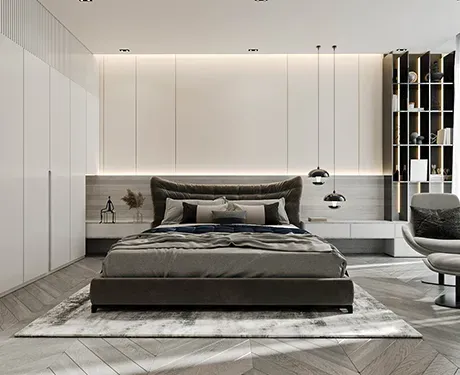
Neutral colors such as white, gray, or beige will help you prevent your monochromatic scheme from feeling too overwhelming - and, that’s why popular home interior designers in Gurgaon often use neutrals. These hues lend themselves to breaking up large areas of color without actually breaking up harmony as a whole.
For example:
- They say a white ceiling can match with darker walls.
- Neutral furniture pieces can help to ground the space without detracting from the main color scheme.
- This balance allows your space to feel open instead of overcrowded and closed off.
With monochromatic decor, you can efficiently bring cohesion to your home but with the freedom to be creative through shade, texture, and pattern. Incorporating elements that complement your base color, but also manage to create spaces that feel harmonious and inviting is possible when you choose your base color thoughtfully.
If you are in search of professional help for home interior design services, such as tone-on-tone decor, then look no further than professional home interior designers in Gurgaon or Delhi NCR. At the same time, they can help you bring your vision to life, without every detail not lining up with your aesthetic preferences.