blog post
Neuro-Design: Creating Spaces for Cognitive Well-being
The growing trend of neuro-design attracts both architects and interior designers at a time when mental health and wellness take center stage. Neuro-design combines architectural design elements with neuroscience principles to generate spaces that enhance mental processing alongside mood regulation and general wellness. The new design method maintains exceptional value for densely populated cities because it addresses stress and anxiety that often arise in urban settings.
The team at Interia, a premium interior and architectural design company, comprehends the deep way our environment affects our mental condition. With the application of neuro-design techniques, we design places that fulfill both visual requirements and support mental health benefits.
Understanding Neuro-Design
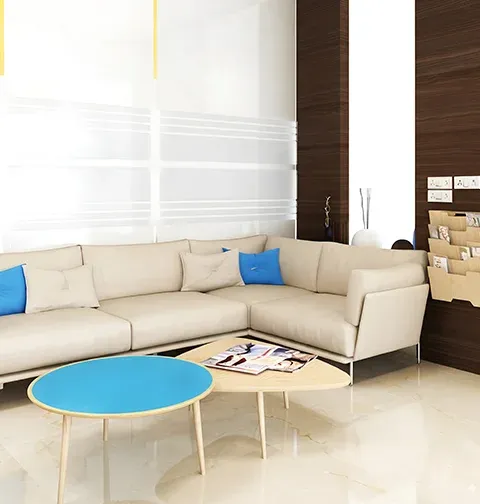
The science of Neuro-design demonstrates that architectural design elements generate distinct neurological reactions in people. Our responses to a space depend on multiple essential elements, including light, space, texture, and color. Scientific research indicates that natural lighting boosts the production of serotonin which creates both better mood and better productivity in people. The way colors impact emotions in spaces shows blue creates peaceful feelings, whereas yellow sparks imaginative thinking.
Architecture and interior design professionals use their knowledge of human-building relationships to develop environments that promote wellness benefits and aid cognition, as well as deliver better living conditions.
Tips to Consider When Creating Neuro-Designs
1. The Role of Light
Neuro-design heavily relies on the proper use of lighting as its essential component. Research has proven that exposure to natural light strongly enhances both mood and energy levels. Large windows and skylights in office spaces provide maximum natural light exposure which results in better workplace productivity alongside reduced worker fatigue. The architectural design plan at Interia features extensive natural light availability to establish spaces that energize building inhabitants.
2. Color Psychology
A space's chosen colors create deep effects that modify human emotional reactions as well as behavioral responses. Neuro-design guides designers to choose color schemes that match the functional purposes of spaces. For example:
- Calming Spaces: Scenes of tranquility emerge naturally from bedrooms or relaxation areas when designers choose soft blues and greens.
- Creative Environments: Workplaces and art studios benefit from creative stimulation when using bright yellows and oranges.
Interior design professionals commit to selecting colors that create positive, dynamic atmospheres within spaces.
3. Spatial Layout
A space's design format shapes the way people connect with one another inside that area. Open-concept designs favor communication and collaboration, which benefits offices with teamwork goals. The demand for private spaces becomes crucial when workers need focused concentration during their work process. Professional designers achieve maximum organization by planning areas that combine collaborative spaces with private, quiet sections to maximize both team efforts and independent work.
4. Incorporating Nature
Studies indicate that biophilic design methods that integrate interior natural elements help people manage stress while simultaneously enhancing their cognitive processing abilities. The implementation of plants alongside water features and natural materials in architectural design generates relaxing surroundings that support overall well-being. Our team at Interia implements green walls and indoor gardens as major design features that connect buildings with nature while improving the urban aesthetic.
5. Sensory Elements
Neuro-design evaluates the interactive effects of various sensory components found in built spaces. An environment's acoustic design plays a major role in comfort since poorly managed sounds can create stress, but properly engineered sound environments promote relaxation. Soft furnishings, along with carpets or acoustic panels, function as noise-reduction elements in busy public spaces.
The texture of surfaces determines how comfortable individuals find a space. The surface texture of space plays an important role in interior design because smooth surfaces create serene atmospheres, yet rough textures spark curiosity, which are necessary elements for engaging spaces.
6. Personalization
When designing for neurological needs, personal customization emerges as an essential component of neuro-design practice. When interior spaces express personal choices and preferred aesthetics, they create environments that make people feel at home. Our designs at Interia feature personal artifacts and custom elements that help spaces create emotional connections with their occupants.
7. Flexibility
As the world speeds up, we need flexible spaces for better adaptation. An ideal space should work for different purposes because it can convert workplaces into team areas or combine residential zones into versatile spaces. Our design methodology includes adaptable floor plans combined with modular furnishings that suit shifting requirements among users.
Why Choose Interia for Your Neuro-Design Needs?
Interia works to develop purposeful spaces that advance neurological welfare by implementing neuroscience-based design principles. Our architecture and interior design team located in Delhi NCR applies neuro-design principles throughout all projects we complete.
- Expertise: Our team of professional interior designer applies neuro-design principles across all sectors through their extensive experience in residential and commercial spaces.
- Customization: We customize every design to meet individual needs and preferences along with functional requirements.
- Holistic Approach: Our detailed design process evaluates every environmental factor, including spatial setups with illumination choices, material selection, and color schemes for complete harmony.
Call to Action
Your space awaits a transformation path that will become a sanctuary for mental wellness. Take the professional guidance offered by Interia, the architectural design expert, to design spaces that look appealing and simultaneously improve mental well-being. Reach out to us now for an evaluation to discover how our groundbreaking neuro-design solutions will transform your living or working spaces. Find additional service details on Interia website.