blog post
The Rise of "Japandi" Style: Minimalist Zen Meets Scandinavian Hygge
Discover Japandi architectural designs— Japanese minimalism meets Scandinavian comfort. Create a timeless, functional, and serene home with Interia.
Modern interior design has introduced an elegant fusion of simple sophistication, warm comfort, and practical design. This design concept, "Japandi", unites Scandinavian and Japanese design elements to create a relaxing and comfortable atmosphere that works perfectly with modern décor. Interia, being a leader in top-notch architectural designs, closely tracks the increasing popularity of Japandi as we prepare to study its fundamental characteristics and lasting attraction.
Understanding the Essence of Japandi Architectural Designs
The deep nature of Japandi represents a visual blend between Scandinavian and Japanese elements.
Japandi describes the perfect marriage between Japanese design elements with Scandinavian hygge principles in a visual fusion. The Rise of Japandi design reflects a Minimalist visual and emotional framework that integrates functionalism with natural materials as well as simplicity for creating aesthetically delightful and assurance-building spaces. Japandi first gained presence when Danish designers combined Japanese nature-based materials and objects with Scandinavian functional simplicity on their Japan journey.
Fundamentals of Japandi Design
A few key concepts make the Japandi style unique and enticing for home building design:
- Minimalism: A characteristic of both Scandinavian and Japanese design traditions, minimalism emphasizes tidy interiors and the "less is more" philosophy. In Japanese design, unnecessary ornamentation is eliminated, and everything should serve a purpose.
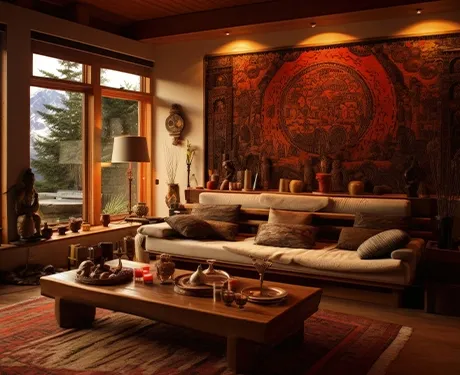
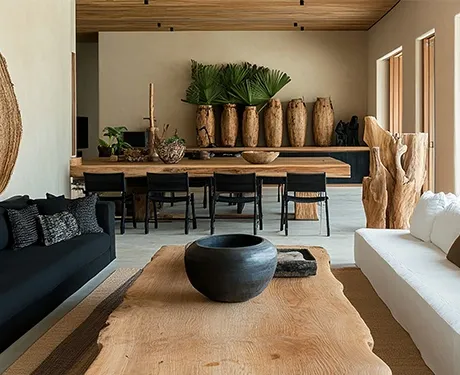
- Natural Materials: Japandi places a high value on a close relationship with nature. Of special significance is wood, with the lighter woods of Scandinavian design being paired with the richer, darker woods preferred in Japanese interior design. Natural materials like bamboo, rattan, cotton, and linen are also commonly used.
- Functionality: Japandi values functionality and utility highly. When selecting furniture, which is chosen for its comfort and functionality, simple shapes and lines are favored over elaborate designs. Multipurpose furniture maximizes the amount of space that is available.
- Comfort & Warmth: Japanese house design is not at all sterile or frigid, despite the importance of minimalism. Combining soft textures, warm colors, and comfortable components creates a welcoming atmosphere.
- Wabi-Sabi is a Japanese concept that honors the beauty of aging naturally and accepts imperfection. In Japandi, wabi-sabi translates to an appreciation for handcrafted items, natural variations in materials, and the patina of time.
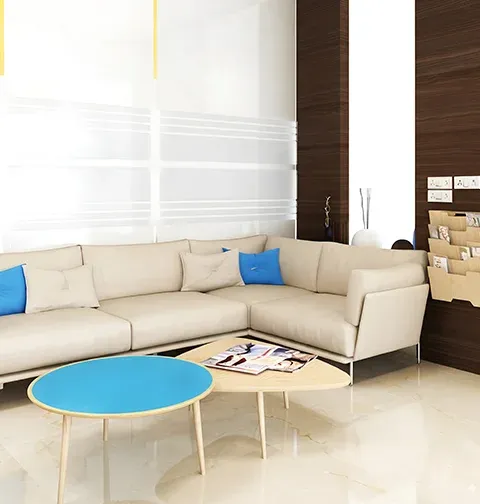
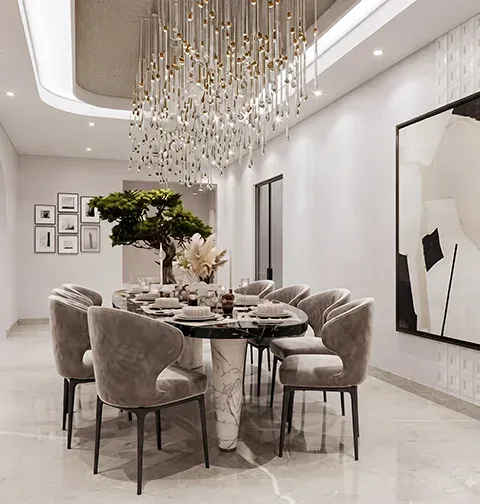
- Neutral Color Palette: Japandi interiors typically feature a calming and tranquil palette of neutral colors. Whites, off-whites, beiges, grays, and taupes form the foundation, with subtle pops of color inspired by nature.
- Natural Light: Maximizing natural light is essential in Japandi design. Windows are kept unobstructed to allow sunlight to flood the space, and light-enhancing strategies are employed to brighten darker areas. Minimizing the number of artificial lights in the home is encouraged.
Distinguishing Japandi from Other Styles
Japanese designs and Scandinavian designs seem alike, but they differ at the same time for some reasons. Japandi style offers some unique features that set it apart:
- Earthy vs. Airy – Unlike classical Scandinavian spaces, Japandi interiors and their spaces are more earthy and incorporate darker wood tones alongside richer textures.
- Perfectly Imperfect vs. Highly Ordered – Despite the fact that both sets of styles aim at simplicity, Japandi adopts an approach that embraces imperfect factors and celebrates the wabi-sabi philosophy. In opposition, Scandinavian design imposes order aesthetics.
- Balance Contrast – Japandi strikes the perfect balance Japan's warmth and sophistication with the clean lines and minimalism of Scandinavian designs.
Integrating Japandi into Your Home
For better incorporation of Japandi, consider these tips when incorporating Japanese/Scandinavian architectural designs into your home:
- Declutter - Cleansing your space will put you in a good place to embrace the calming and soothing designs the Japandi style offers. Do not be afraid to throw mirrors, paint, or any other resembling objects away.
- Opt for Natural Materials – Drafts made out of cotton, wood, linen, or even bamboo are perfect choices for furniture and décor while still keeping the neutral design Japandi embraces.
- Welcome Neutral Colors – To induce that sense of calmness, utilize whites, grays, and beiges to put everyone in a state of zen. To complete the look, add pops of color derived from nature.
- Incorporate Plants Indoors – Don't forget to bring nature back inside.
- Maximize Natural Light: To brighten your environment, keep windows open and employ light-enhancing techniques.
- Mix and Match Textures: To create depth and visual intrigue, layer several textures. Mix rougher materials like rattan, wool, and linen with smooth surfaces.
- Choose Functional Furniture: Pick furniture with simple shapes and clean lines that are both trendy and beneficial.
- Accept Imperfection: Don't try to be flawless. Accept the wabi-sabi philosophy and recognize the beauty of natural diversity and handcrafted objects.
The Enduring Appeal of Japandi
Numerous elements explain the increasing popularity of the Japandi style.
- A Desire for Simplicity: Modern people seek peace and minimalism in their homes as they navigate through the hectic and disorganized world today.
- A Focus on Well-Being: Japandi provides a wellness-oriented space through its selection of natural products and practical details that create mindful living conditions.
- A Timeless Aesthetic: The coexistence of Japanese and Scandinavian design elements produces an enduring style that avoids becoming outdated by trends.
- Sustainability: The Japandi design principle and its commitment to natural materials and quality craftsmanship follow the current welfare direction of eco-conscious living.
Interia's Perspective on Japandi
The Japandi design methodology represents an exceptional and rewarding method for designing residential architecture according to Interia. Our dedication to designing sustainable and beautiful spaces finds its perfect match in the principles of simplicity and functionality alongside natural materials that Japandi uses. Our designer experts will guide you to incorporate Japandi characteristics into your house, eliminating stress while building an environment that matches your needs and preferences.
Conclusion
The design ideology Japandi serves as more than a passing trend since it embraces the principles of simple living with mindfulness. The Japanese-Scandinavian design fusion generates spaces that balance visual appeal with comforting emotional impact. Japandi will continue to lead interior design because of the increasing demand for architectural styles that focus on functionality along with sustainability alongside well-being.
Has your home always desired a Japandi-inspired transformation? Contact Interia to receive a consultation because our expert designers will translate your vision into reality.