blog post
Timeless vs. Trendy: How Gurgaon's Most Experienced Interior Designers Decide What's Worth Investing In for the Long Term
Drive down Gurgaon’s Golf Course Road or explore the newer residential sectors along Sohna Road, and you can pinpoint the exact year a luxury apartment was finished just by looking at its interiors. This Expert Investment Guide reveals how trendy design trends reflect property timelines and help buyers decide smarter real estate investments.
The signs are subtle but distinct: a specific tone of rose gold metal trim framing every doorway, heavy faux-marble sheets applied to everyday media consoles, or an entire kitchen finished in a matte black laminate that caught every fingerprint before the handover was even complete.
In a fast-evolving real estate market like Delhi NCR, property owners face a constant influx of digital design feeds and international trade lookbooks. The pressure to adopt the latest viral style is high. However, a home is not a seasonal wardrobe. You cannot easily replace a stone floor or alter a structural wall installation when a particular look falls out of favor online.
The most successful luxury interior designers in Delhi approach space creation with a different timeline in mind. They design for the decade, not the upcoming calendar year. Balancing immediate visual interest with long-term, asset-protecting value requires a practical understanding of material lifecycles, architectural proportions, and how a space actually ages under daily use.
The Macro-Trend Trap: Anatomy of a Rapid Design Devaluation
To protect a significant residential investment, one must first identify the difference between a core design movement and a passing cosmetic trend. A true design movement evolves over decades to address genuine lifestyle changes, such as the shift toward open-plan fluid living or the modern integration of concealed home automation. A cosmetic trend, on the other hand, is manufactured to encourage immediate, repetitive consumption.
When evaluating what to include in a high-value layout, the premier teams at any leading interior design studio in Delhi look directly at visual fatigue. Elements that scream for attention—like geometric acoustic panels used as primary living room walls or stark, laboratory-white minimalist layouts—tend to cause rapid visual exhaustion within twenty-four months.
Furthermore, these aggressive cosmetic trends rarely hold up well against the natural environment of North India. For example, the massive wave of importing unplasticized, hyper-glossy acrylic laminates for high-end kitchens quickly backfired in Gurgaon's dusty, high-sunlight conditions. The surfaces scratched easily under daily maintenance and suffered from yellowing along window lines, turning a premium capital investment into an outdated space that required premature, disruptive renovation.
Where to Allocate Capital: The Architecture of the Invariant
The secret to a timeless home layout relies on a clear, structural rule: allocate your primary budget to elements that are physically difficult or expensive to replace, and let your passing decorative interests live in the easily interchangeable layers.
Experienced studios break down a luxury interior budget into three distinct, non-negotiable architectural anchors:
1. Structural Masonry and Floor Substrates
Your flooring is the literal canvas of your home. While cheap, heavily polished glazed vitrified tiles (GVT) replicate premium stone patterns for a season, they lack the unique depth, organic variation, and acoustic damping properties of genuine earth-born stone. Investing in premium, low-porosity natural stones—like pristine Thassos marble, subtle Botticino, or localized Indian quartzites—is always worth the investment. These authentic materials can be re-polished, honed, or textured a decade later to completely refresh the home's look without pulling up the sub-base.
2. High-Performance Internal Joinery and Frameworks
A high-end cabinet door or a walk-in wardrobe partition isn't just a surface finish; it is a mechanical component that cycles through thousands of open-and-close movements. True design professionals insist on using fully seasoned, kiln-dried marine-grade plywood or solid structural hardwoods for all internal frames. Coating these robust hidden frames with premium wood veneers or multi-layered polyurethane (PU) spray coats ensures the doors retain their straight lines and operate smoothly through decades of shifting weather conditions.
3. Concealed Infrastructure and Mechanicals
The most expensive surface finish means nothing if the infrastructure behind it fails. Allocating a significant portion of your budget to multi-layered acoustic drainage pipes, heavy-duty low-smoke halogen-free (LSHF) copper wiring, and integrated, zoned HVAC systems preserves the value of your property. True luxury is experienced through invisible details—the complete absence of plumbing noises, stable ambient air distribution, and absolute protection against unexpected electrical surges.
The Interia Philosophy: Re-Engineering Luxury via Vertical Integration
Avoiding the trend trap is easier said than done when a studio relies entirely on third-party furniture suppliers and ready-made retail catalogs. Most design firms are forced to select from whatever standardized, trend-focused items are available in the open wholesale market during that specific quarter.
Interia completely bypassed this systemic limitation by building its entire business model around full vertical integration. By owning and operating a state-of-the-art automated manufacturing facility, the studio takes complete control over the entire creative process, material selection, and fabrication lifecycle.
When an Interia designer creates a piece of furniture or an architectural paneling layout for a client in DLF Magnolias or a farmhouse in Gurgaon, they aren't looking at what retail shops are stocking. Instead, in-house technical teams work directly with raw, ethically sourced hardwoods, premium metals, and custom-selected stones to engineer pieces from scratch.
Every single bit of timber used in an Interia project undergoes a strict, multi-week kiln-drying and environmental seasoning process inside their private plant. This calculated treatment ensures the wood adapts perfectly to the intense climate shifts of Delhi NCR, guaranteeing that custom joinery, hidden drawers, and massive statement entry doors maintain their millimeter-precise alignments through hot summers and humid monsoons alike.
By combining this internal manufacturing control with a strict protocol of over 300 rigorous structural checks, Interia delivers environments that feel completely personal, authentic, and naturally immune to short-term fashion cycles.
The Art of the Balanced Layer: Integrating Modern Sophistication Gracefully
Choosing a timeless design model doesn't mean your home has to feel like a cold, historical museum or a generic hotel lobby. The best interior designers in Delhi NCR achieve a fresh, contemporary feel by using a smart layering strategy.
They use timeless, neutral foundations for the permanent architectural surfaces—such as soft plaster walls, rich natural wood paneling, and smooth stone floors. They then introduce modern personality and current trends through easily modifiable accents.
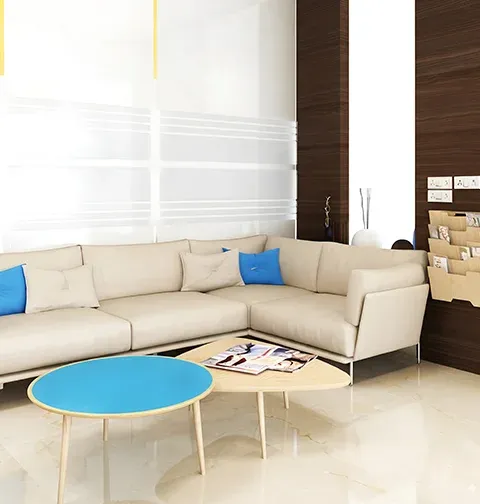
A masterfully designed living room can easily feature an elite, custom-manufactured sofa upholstered in a neutral, heavy-weight Belgian linen canvas. This permanent base can then be updated over time with vibrant accent cushions, organic throw linens, or unique artisanal pottery reflecting current design trends.
Similarly, by installing flexible, low-glare magnetic architectural track lights into the ceiling rather than rigid, single-use fixtures, you give yourself the freedom to move, swap, or tilt your lighting setup as your personal art collection grows. This approach ensures your luxury home remains a living, evolving reflection of your family's journey, built on a rock-solid foundation of quality craftsmanship that never goes out of style.
Frequently Asked Questions (FAQs)
How can I tell if an interior design concept is a short-lived trend or a long-term investment?
Look closely at the core source of its appeal. If a concept relies on high-saturation colors, gimmicky geometric patterns, or unusual synthetic finishes often seen on social media feeds, it is likely a short-term trend. If it highlights natural material textures, balanced proportions, clean architectural lines, and functional layout flow, it is a long-term design asset.
Why does Interia place such a strong emphasis on owning its manufacturing facility?
Owning an in-house manufacturing plant allows Interia to control every variable of the production process. It eliminates dependencies on third-party vendors, enables complete customization of furniture scales, and ensures raw materials like premium hardwoods are properly seasoned for the local environment, resulting in exceptional structural longevity.
Does a timeless design approach mean I have to limit my home to a neutral color palette?
Not at all. Timeless design focuses on material authenticity and structural scale rather than avoiding color. Rich earth tones, deep mineral blues, and classic greens work beautifully in a long-term design strategy, provided they are integrated through natural materials like dyed yarns, authentic stones, or premium lacquers rather than applied as temporary wallpaper or plastic coatings.
How often should a high-end, custom-designed residential space require a complete renovation?
A home engineered with premium structural foundations, kiln-dried timber frames, and natural stone flooring should easily last for fifteen to twenty years without needing major structural work. Only the easily accessible surface layers—like wall paint colors, loose accent textiles, and decorative light shades—should need a minor refresh every few years to keep the home feeling current.
[Invest in a home designed to gracefully outlast passing trends. Connect with the senior procurement and spatial design specialists at Interia today to plan your next premium interior space.]