blog post
Sensorial Design: Engaging All Senses with Textures, Scents, and Lighting
Explore sensorial design in architecture—use light, texture, scent, and sound to create an engaging, meaningful, multisensory home that delights and inspires.
A home’s strength is in its ability to be more than just a pleasing sight, bringing genuine joy and meaning to our lives. Sensorial design is all about thoroughly utilizing sight, touch, smell, sounds, and sometimes taste to design pleasing and memorable areas. People planning a new build or a major renovation can introduce this approach into their house architecture design to transform a regular space into a truly comfortable home.
The main points in home architecture design are its looks and how well it operates. However, the best rooms are gentle in their effect, giving us a sense of wellbeing as much as a sense of beauty. We’ll look at how houses can become much more meaningful by attracting your senses through their design. Luxury Interior Designers in Gurgaon focus on creating such spaces that balance beauty with comfort.
Different Ways of Creating Sensorial Design: Explored by House Architecture Design Experts
1. The Visual Feast: There’s More to It Than Just Pretty Photos
Although sensorial design covers all the senses, the visual appearance is still the main part. Color and trendy furniture are only part of design; it’s also about how light reflects and where it goes, how patterns bring out feelings, and how everything fits together seamlessly.
- Using Natural Light: Skilled house architecture design makes sure natural lighting is carefully planned. Imagine big windows facing the views, skylights that send out softly lit rays, or some windows on the inside to let more light into the house. Different times of day bring changes to natural light that make the environment visually interesting in a way artificial light can’t match.
- Color Psychology: Different colors heavily influence how we feel. Warm colors help a room feel cozy and more private, but cool tones make the space feel more relaxed and peaceful. When designing, we use color thoughtfully, not just to look nice but also to affect people’s moods.
- Well-Arranged Furniture: By putting pieces in the right spots, furniture can help steer the viewer’s attention and their path. The way a design is structured can make a space seem roomy, loving, or exciting.
2. The Tactile Tapestry is a Language of Touch
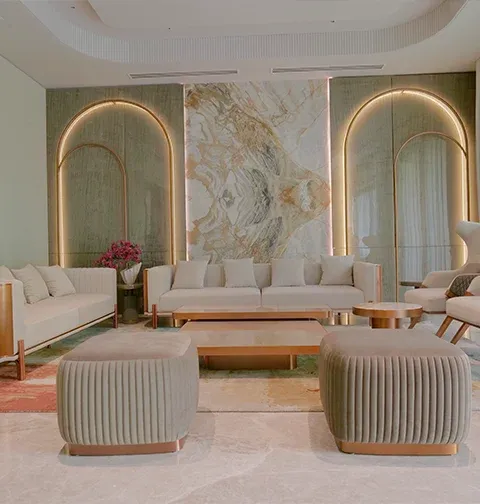
Designers usually focus more on visual aesthetics than on the experience of touching textures, but texture can be very pleasing in a space. As soon as you enter a home, what you touch helps describe its quality, how comfortable it is, and its character.
- Varied Texture: Use many different materials to build your house architecture design. Think about the smoothness of a marble floor, the honest appearance of brick, the inviting feel of a velvet sofa, and the unique design of a natural fiber rug—that layer of depth and interest results from each texture.
- Natural Elements: Wood, stone, linen, wool, and ceramic are pleasing to the touch. The misshapen and cozy bits make people want to touch and become attached to them. A custom wooden dining table changes over time, and stone countertops have a noticeable strength and texture.
- Layering Textiles: Blankets, cushions, curtains, and throws go beyond decoration to give your body and mind different sensory inputs. Putting together these decorations fosters warmth, comfort, and naturally draws people in to relax.
3. The Amazing Scent of a Home
Being able to smell is closely connected to our memories and emotions. An ideal environment should have a light, carefully chosen scent that improves its atmosphere and leaves a strong memory.
- Natural Elements: Use elements in your home’s design that come from nature and add to its scent. Fresh flowers, herbs in pots around the house (such as rosemary or mint in the kitchen), cedar wood closets, or beeswax candles all smell wonderful naturally.
- Scents: Instead of opening a bottle, try faint and beautiful aromas with natural essential oil diffusers in the bedroom, study, or meditation room.
- Ventilation: To create a great scent, your first step must ensure the air you breathe is fresh and clean. Strong ventilation in your house architecture design keeps the air fresh and allows any other flavors or scents you want to use to linger. Putting in an air purification system may significantly enhance the fragrance of your living spaces.
4. Capturing the Sounds of Peace
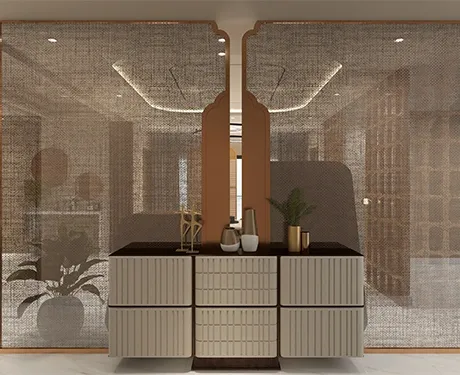
While much of the work reduces unwanted sounds, auditory design also adds enjoyable sounds on purpose.
- Acoustic Furniture: While developing architectural designs, choose materials like carpets and upholstered furniture for noisy rooms, and bring in items that allow sound to move freely for spaces like the living room.
- Natural Soundscapes: Integrate components that make natural sounds in your landscape design. A little water feature, trees nearby that whisper through an open window or certain wind chimes can help you relax.
- Smart Sound Systems: Today’s smart homes offer the option to tailor sounds, so you can listen to classical music for peacefulness or get friends and family in the mood with some upbeat songs.
5. Blending Flavors Through Food
Even though it’s not as direct as some of the other senses, taste helps to unite the kitchen and dining areas into one part of your home’s design.
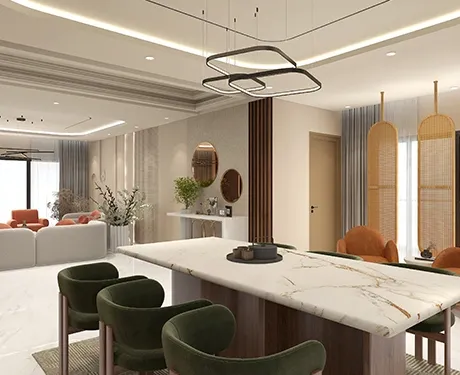
- Integrated Culinary Spaces: A modern-day home architecture design often comprises a practical open kitchen, and also the main space for bringing family and friends together. This lets the pleasant scents of cooking fill the living area and encourages involvement in what’s being made.
- Edible Gardens and Herb Walls: If you love to cook, have an indoor herb garden or an edible wall of plants in your home so you can reach the fresh ingredients and try them instantly in your dishes.
- Thoughtful Dining Zones: The design of eating places ought to help guests fully appreciate their meals by including comfortable chairs, proper lighting and a happy mood.
Interia specializes in producing architectural designs that exceed the basic requirements. Our team thinks that genuine luxury is what you experience in a space. Every house design we create includes light, touch, smell, and sound, so your home is a sensory delight for you. Whether you’re beginning your home architecture design or have nearly finished the project, we are dedicated to making a space that speaks to your needs and will not wear out easily.
Prepared to create a home that stimulates and pleases all your senses?
Contact Interia today at 7042112226 or crm@theinteria.com to begin developing your idea of a magnificent home.