blog post
Lighting as Art: Mastering Illumination in High-End Retail with Commercial Interior Design Firms
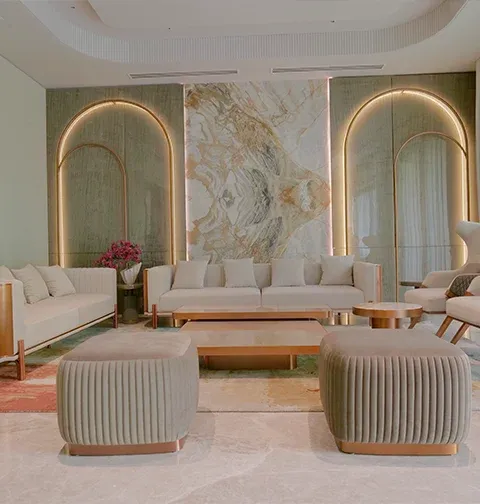
Enter any luxury shop or flagship store and you will instantly feel some indefinable magic. It is not the beautiful products or the soft finishes; it is how the light plays, how it highlights and calls. Lighting in high-end retail is no longer about brightness or lack thereof; it is a form of art, a fundamental piece of the puzzle that professional commercial interior design firms are mastering and blending to create a unique customer experience.
At Interia, we know that learning how to get the illumination right in retail is essential. It is the invisible salesperson, the atmosphere creator, and the brand storyteller, all in one. There is no way you can use generic lighting when your products are high-end and your customers are sophisticated.
The Psychology of Light in Luxury Retail: Explained by Commercial Interior Design Firms
Lighting has a significant impact on human emotion and behaviour. It is utilized in high-end retail to:
- Make Emotional: Warm, soft light can produce an intimate, luxurious feeling that will make us want to stay. In particular, sections may use cool, brighter lights to emphasize information about products.
- Direct the Customer Path: Strategic lighting leads customers to new arrivals, promotion displays, or check-out counters.
- Showcase Product Features: A good light can turn diamonds into glitter, clothes into glimmer, and leather into shine to show the quality and craftsmanship of a product.
- Enhance Brand identity: The selection of lighting, color temperature, and type of fixtures has to be consistent with the brand and its values. A low-key brand would choose slim, concealed fittings, whereas a more luxurious brand would use elaborate, ornate chandeliers.
- Generate Exclusivity: Dramatic lighting, spotlights, and ambient-controlled light can make a product feel special and priceless, increasing the perceived value of the product.
This is an advanced use of light and space that is part and parcel of the most brilliant commercial interior design concepts and takes not only a thorough familiarity with design principles but also consumer psychology.
The Most Important Components of Artistic Lighting
Good retail lighting is a multi-faceted solution that takes into account a number of vital factors:
- Ambient Lighting: This is the overall light of the space, which gives general visibility. In the luxury retail business, ambient light tends to be soft and warm compared to mass-market stores, which promotes a more relaxed and sophisticated environment. It establishes the mood of the base.
- Accent Lighting: And this is when the art comes to its fullest. Accent lights are applied to draw attention to a particular display, product, or architecture. Consider spotlights on a jewel case, wall washers spotlighting a texture, or track lights pointing to a new line. The idea is to make focal points and to attract the eye.
- Task Lighting: Task lighting is also a must within the back-of-house operations, although not as strong in customer-facing locations; staff at POS (Point of Sale) counters, fitting rooms, etc. It makes sure that it is clear and functional where detailed work is done.
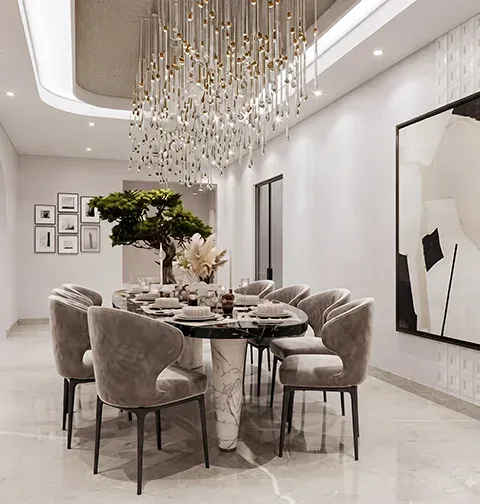
- Ornamental Lighting: These are the show pieces, chandeliers, special pendant lights, or artistic light fixtures. These are used more as decoration, as a signifier of the luxury status of the brand, and as part of the design narrative of the whole store. They tend to be signature items, as with numerous of the best commercial interior design ideas.
- Track Lighting: Versatile fixtures mounted on a track, allowing heads to be repositioned and aimed, ideal for highlighting artwork or creating flexible task lighting.
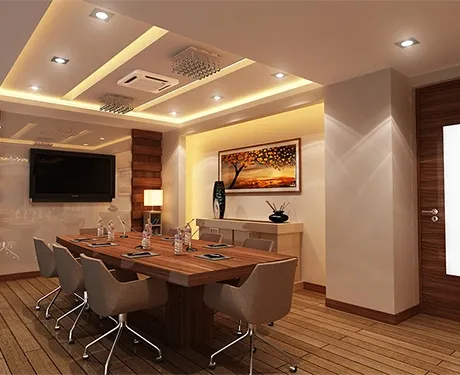
- Cove Lighting: Indirect lighting hidden in recesses or ledges along walls or ceilings, creating a soft, ambient glow that enhances architectural features and reduces glare.
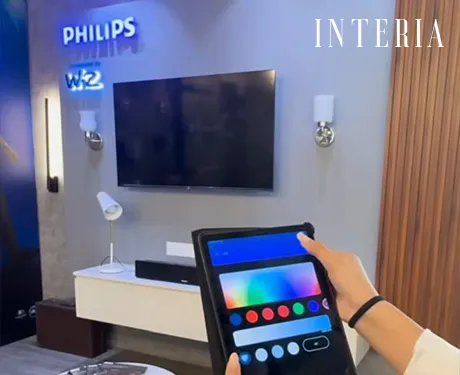
- Smart Lighting: Integrates with home automation systems, offering remote control, scheduling, dimming, color changing, and scene setting via apps or voice commands for personalized illumination.
The Role of Commercial Interior Design Firms
This degree of lighting artisanship takes a certain form of expertise, and that is exactly what the top commercial interior design firms offer. They do not simply choose beautiful fixtures, but they do a detailed analysis which involves:
- Brand Identity and Story: How to know the ethos of the brand, who the target audience is, and what is expected to happen during the customer journey.
- Product Type: The lighting that is required varies depending on the products. Jewellery requires concentrated, glittering light, whereas clothing requires high CRI to display natural colors.
- Store Layout and Architecture: Combining the lighting and the physical space, taking into consideration natural light penetration, ceiling heights, and display layouts.
- Energy Efficiency and Sustainability: The design of systems that not only look great but are energy-efficient, with the use of LED technology and smart controls to lower the costs and environmental impact of operation.
- Future-proofing: Making the lighting system flexible so that it can accommodate the changes in merchandise displays or seasonal offers.
When searching for "commercial interior design firms near me," businesses should look for those with a proven track record in retail, demonstrating a deep understanding of lighting design and its strategic application. A specialized commercial interior design firm possesses the technical know-how to select the right lumen output, beam angles, and control systems, ensuring every light fixture serves a precise purpose.
Beyond Retail: The Influence on Best Office Interior Design
The principles of lighting as art extend beyond retail, influencing even the best office interior design. Just as light guides a customer's gaze to a product, it can also enhance employee productivity, mood, and well-being in an office environment. Strategic lighting in corporate spaces can reduce eye strain, improve focus, and even influence company culture. This cross-pollination of design intelligence from retail to corporate spaces highlights the holistic approach taken by leading commercial interior designers.
For example, a commercial interior designer applying retail lighting principles to an office might use accent lighting to highlight architectural features in a lobby, task lighting for focused work areas, and warmer ambient lighting in collaborative zones to encourage comfort and interaction.
The Interia Difference
Being the promising commercial interior design firm that Interia is, our approach to retail interior design is rooted in the belief that lighting is an integral part of the overall narrative. We work to create immersive environments where light sculpts space, highlights merchandise, and subtly influences purchase decisions. Our team of commercial interior designers possesses the expertise to craft bespoke lighting strategies that elevate your brand and captivate your clientele. We don't just design spaces; we design experiences.
Don't let your high-end retail space be anything less than brilliant.
Request a complimentary lighting design assessment from Interia now and discover the immediate impact masterful illumination can have on your brand and sales.